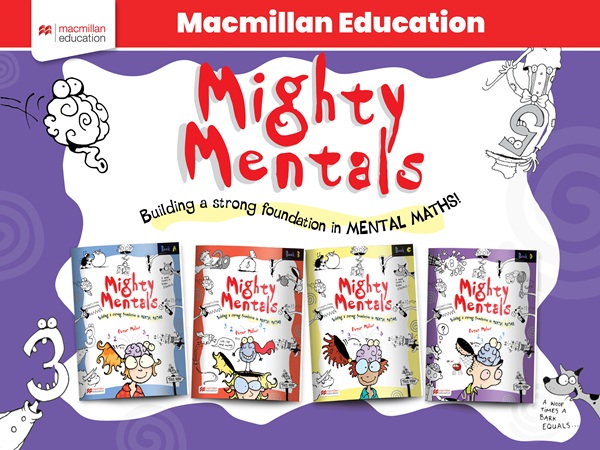
Homeschool Curriculums
A lack of motivation is usually a sign that something in the learning environment, routine, or workload needs adjustment. Here are practical ways parents can respond:
1. Add small choices and flexibility
Giving learners some control helps rebuild motivation.
- Let them choose the order of subjects or tasks.
- Integrate hobbies (gaming, sport, pets, nature, crafts) into learning.
- Celebrate small milestones to create momentum.
A simple change of environment — such as working in a library, park, or different room — can also refresh focus.
2. Allow time to rest and reset
Sometimes motivation dips because the child is emotionally drained or overwhelmed. Take a short break and reconnect with something fun: a picnic, a playdate, or time outdoors. A calm reset often restores balance.
3. Reach out to experienced homeschoolers
Parents with older home-educated children (16+) can offer valuable perspective and reassurance. Their experience helps you see whether the issue is temporary, developmental, or approach-related.
4. Watch for signs of burnout
Home learners — especially those with busy extra-mural schedules — can become overtired. This is common near year-end. Parents’ stress can unintentionally increase pressure on the child.
Tip: Establish a balanced routine with:
- focused work periods,
- age-appropriate breaks,
- clear expectations, and
- time for movement and rest.
5. Re-evaluate your approach
Children grow, and their needs change. A method that worked last year may no longer fit.
If a child seems bored, resistant, or disengaged, consider:
- adding more self-directed or interest-led projects,
- building in flexibility, or
- adjusting the schedule.
6. Review the curriculum load
Some learning programs are highly structured and mirror school-at-home. These can overwhelm younger or sensitive learners.
You may need to:
- reduce screen time or live lessons,
- use printed materials or recordings,
- break work into smaller steps,
- mix in more hands-on or practical activities.
The curriculum must fit the child — not the other way around.
7. Seek support when needed
If motivation remains low despite adjustments, consider guidance from:
- a home education specialist, or
- an educational psychologist who understands home education.
They can help identify learning differences, overload, emotional fatigue, or approach mismatches.
Events
Has no connect to show!
Legal & Research
Homeschooling and the law
Home schooling was recognized in 1996 in Section 51 of the SA Schools
+ ViewCentres
Homeschool ABC
Videos

SAHomeschoolers.Org Youtube Channel
Support




Curriculums
Learning Mates: Early Learning ...
Learning Mates Start smart: Tools for early learning success ...

Homeschool South Africa ...
Are you feeling overwhelmed in your homeschool journey? Homeschool ...


Frequently Asked Questions
-
Can I be a working mom and homeschool?
Single parents who are committed to homeschool organize a schedule around their work commitments and sometimes involve family or tutors to assist...
-
Do home learners get homework?
In general all their schoolwork is homework and they do not get to do extra work in the afternoons. A tutor might give some extra work to complete...
-
Do I need to be a qualified teacher?
No. Research has found no correlation between the qualification of the parent and the academic performance of the child. Research shows that...
-
Is homeschooling legal in South Africa?
Yes. Since 1994, the right for parents to home educate their children was legalised in South Africa through the adoption of the new constitution. In...